
Position
Succulents and cacti thrive in bright, sunny positions and generally need around 6 hours of sunlight each day. They are ideal for warm, dry conditions and perform best in summer heat. If your plant was originally grown indoors or outdoors, keep it in similar conditions initially to avoid shock. In colder climates, protect plants from frost, as the water stored in their leaves can freeze and cause damage.
Prepare Soil
Excellent drainage is essential.
Garden: Plant in sandy or well-drained soil, and improve drainage by adding coarse sand or gravel.
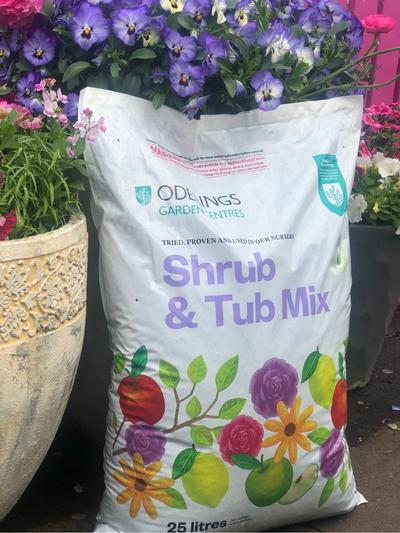
Pots: Use a specialised, free-draining mix such as Oderings Shrub & Tub Mix, which also contains slow-release fertiliser. Terracotta pots are ideal as they help remove excess moisture. Avoid using beach sand due to high salt levels. For top-heavy varieties, use a larger pot and only partially fill with soil for added stability.
Feed
Succulents benefit from light feeding to maintain healthy growth and vibrant colour.
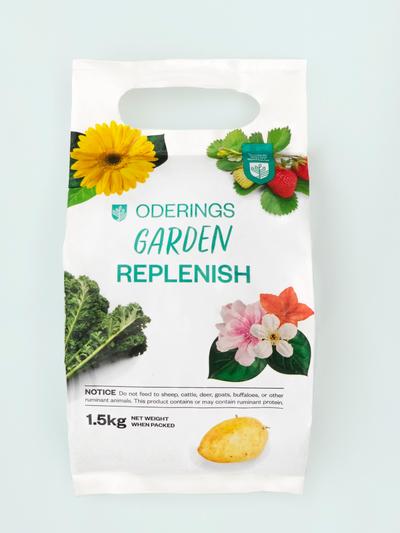
Garden: Apply Oderings Garden Replenish in spring, keeping it away from the foliage.
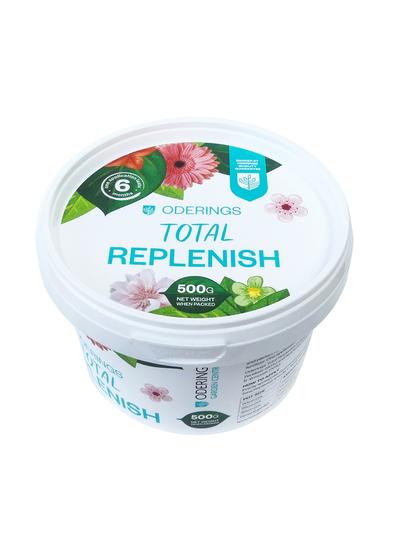
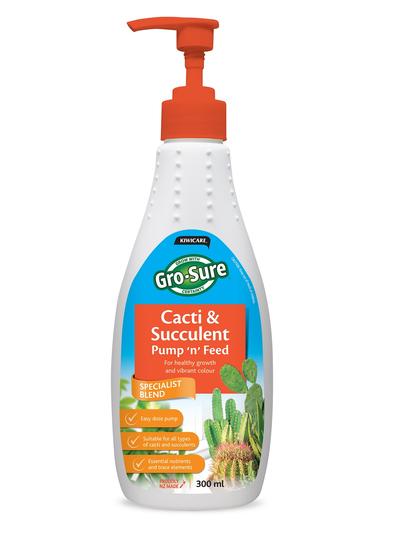
Pots: Feed monthly with a liquid fertiliser during spring and summer, or use a slow-release option like Oderings Total Replenish in spring. Avoid overfeeding, as this can lead to weak, leggy growth.
Garden: Feed with Oderings Garden Replenish in spring – avoid contact with the leaves.
Pots: Feed with a liquid fertiliser monthly in spring and summer, or feed with Oderings. Total Replenish in spring.
Watering
Succulents are drought-tolerant but still require occasional watering. Water thoroughly, then allow the soil to dry out completely before watering again. Signs to watch for:
Underwatering: Leaves appear wrinkled or dehydrated
Overwatering: Leaves become soft, translucent, or may drop off
Reduce watering from late summer into autumn, and in winter only water when plants show signs of dryness. This helps prevent rot and reduces the risk of frost damage. During the growing season, water thoroughly when the soil is dry. From February to March, reduce watering, and by April, water only when the plants look dry to encourage them to use the water stored in their leaves. This helps prevent frost damage.
Pests and diseases
Overwatering is the most common issue and can lead to root rot, leaf damage, and fungal problems such as powdery mildew. Ensure good drainage and airflow to prevent these issues. Keep an eye out for pests like mealybugs and treat early if needed.
Protection
Succulents are generally hardy but can be damaged by frost. During colder months, protect outdoor succulents with frost cloth and move potted succulents to sheltered areas if possible.
Plant Varieties to Explore
Sempervirens: These succulents range from lush greens to deep reds and form clumps of stunning rosettes. Hardy and sun-loving, Sempervirens are great for both pots and gardens. Popular varieties include Crimsonette, Noire, and Green Wonder.
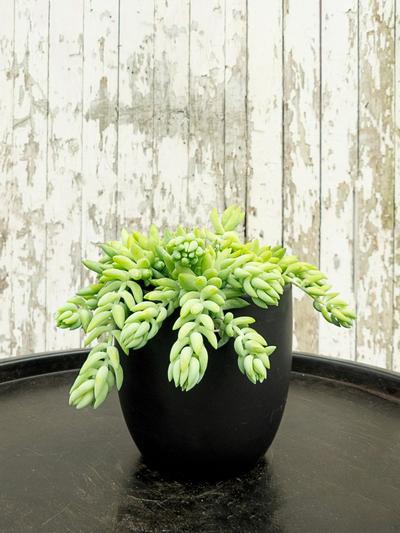
Sedums: Known for their striking colours and architectural shapes, Sedums can be trailing or upright. Trailing Sedums like Acre, Goldform, and Dragons Blood suit baskets and rockeries, while upright types like Rubrotinctum (jellybean plant!), Gold Digger, and Forsterianum Silverstone make bold statements in pots or garden beds.
Echeverias: Echeverias feature fleshy leaves in tight rosettes and bloom in summer with brightly coloured flowers on tall spikes. Varieties like Nodulosa and Zipper are favourites for their unique patterns and colours.
Garden Expert Tip
If your plant looks pale or stretched, it likely needs more light. Trim back leggy growth and replant cuttings to refresh your plant. For visual impact, mix varieties like Sempervivens, Sedums, and Echeverias to create a drought-tolerant garden that looks great year-round.