
Coastal gardens can be colourful and full of life, but plants must cope with drying winds, salt, strong sun and often free-draining soil. Success starts with understanding each part of your garden, selecting plants for the position and caring for them while they establish. Even exposed properties have sheltered pockets.
Understand Your Conditions
Salt exposure and wind
Gardens close to the sea may receive salt-laden wind or direct sea spray. Wind also removes moisture from leaves and soil and can damage soft growth. Use the toughest plants on exposed edges, with less-tolerant plants behind them.
Soil
Coastal soils are often sandy and free-draining, so they dry quickly and may hold few nutrients. However, compacted or low-lying areas can remain wet, particularly in winter.
Garden Expert Tip: Walk around your garden on a windy day to identify the most exposed areas and sheltered pockets.
Preparing The Soil
Good soil preparation helps plants establish before they face coastal conditions.
- Sandy and free-draining soil: In sandy soil, work compost or well-rotted organic matter through the planting area to improve moisture and nutrient retention. Continue adding compost and mulch over time.
- Heavy or wet soil: If the soil remains wet or water pools after rain, improve the drainage or create a raised planting area. Do not add sand to heavy clay, as this can make it more compact. Use compost and organic matter to improve its structure gradually.
- Existing garden beds: Remove weeds and loosen compacted soil before planting. New plants growing near established trees or hedges may need additional water and feeding because of root competition.
Planting In The Garden
- Autumn and spring are the best planting times. Summer planting is also possible but requires more frequent watering while plants establish.
- Water the plant thoroughly before planting. Dig a hole twice as wide as the root ball but no deeper. Remove the container and gently loosen tightly circling roots where appropriate.
- Position the plant at the same depth it was growing in the pot, backfill, firm gently and water well.
- In very sandy soil, a thin layer of thoroughly wet newspaper around the sides of the planting hole can temporarily help retain moisture and keep compost near the root zone. Do not line the base of the hole or use this method in heavy or poorly drained soil.
- Keep concentrated fertiliser away from the roots. Stake taller plants with flexible ties if needed, checking the ties regularly and removing the stake once the plant is secure.
Creating Shelter
Layered planting filters and slows wind more effectively than a solid barrier, which can create turbulence. Place the toughest trees, shrubs, hedges and grasses on the exposed edge to protect less-tolerant plants behind. Allow for mature plant size to avoid overcrowding and unnecessary pruning.
Growing In Pots
Pots suit courtyards, entrances and places where garden soil is unsuitable, but they dry faster in wind. Choose large, heavy pots with drainage holes and quality outdoor potting mix. Check them regularly during warm or windy weather, especially under eaves, and refresh the mix and fertiliser as required.
Watering and Mulching
Wind-tolerant plants are not automatically drought-tolerant. Water new plants consistently until roots grow into the surrounding soil. Water deeply; frequent light watering encourages shallow roots. Check below the surface because sandy soils and pots dry quickly, while heavy soils need time to drain.
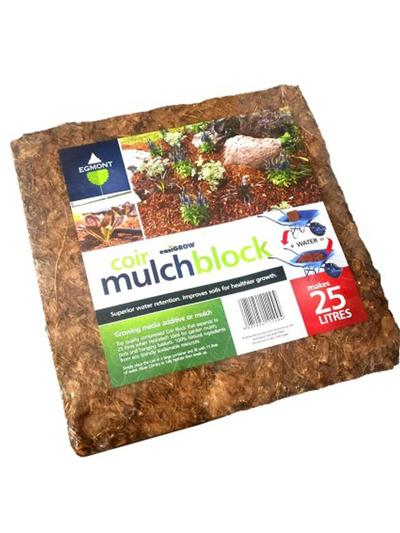
Apply 5–7cm of mulch to conserve moisture, moderate soil temperature and suppress weeds, keeping it clear of stems and trunks.
Garden Expert Tip: When salt builds up on coastal windows enough to affect visibility, it is likely building up on your plants too. Rinse the foliage with fresh water to remove the salt.
Feeding
Wind, watering and free-draining soil can remove nutrients quickly. Feed most trees, shrubs and flowering plants in spring with a suitable fertiliser. Plants in pots may also need liquid feeding.
Proteas, leucadendrons, leucospermums and some related plants are phosphorus-sensitive. Use a suitable low-phosphorus fertiliser. Avoid overfeeding, which produces soft growth vulnerable to wind and cold.
Pruning and Ongoing Care
Light pruning encourages dense, strong growth. Remove damaged or crossing branches and trim hedges regularly. Prune many flowering shrubs after flowering. Pick or lightly prune proteas and leucadendrons, but avoid cutting into old, leafless wood unless the plant will reshoot. Check stakes and ties after strong winds.
Choosing Plants
Match plants to their salt and wind exposure, sunlight, soil and mature size, ask our Garden Experts if you are unsure.
Flowering plants
Combine hardy flowering shrubs and perennials for long-lasting colour. Position less-tolerant plants behind established shelter and group plants with similar soil and watering needs.
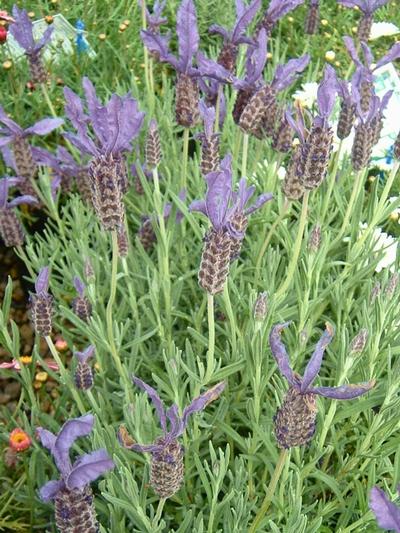
Suggested plants: Osteospermum, Arctotis, Gazania, Pelargonium, Correa, Escallonia, Hebe, Lavender, Anigozanthos, Raphiolepis, Euphorbia, Callistemon, Pimelea and Phylica.
Foliage and architectural plants
Use plants with strappy, firm or succulent foliage for year-round structure, repeated planting or pots.
Suggested plants: Phormium, Cordyline, Astelia, Yucca, Agave, Aloe, Beschorneria, Senecio, Pachystegia, Myosotidium and Meryta sinclairii.
Trees, shrubs and screening
Use tough trees and shrubs on exposed boundaries to filter wind. Select for mature height and width.
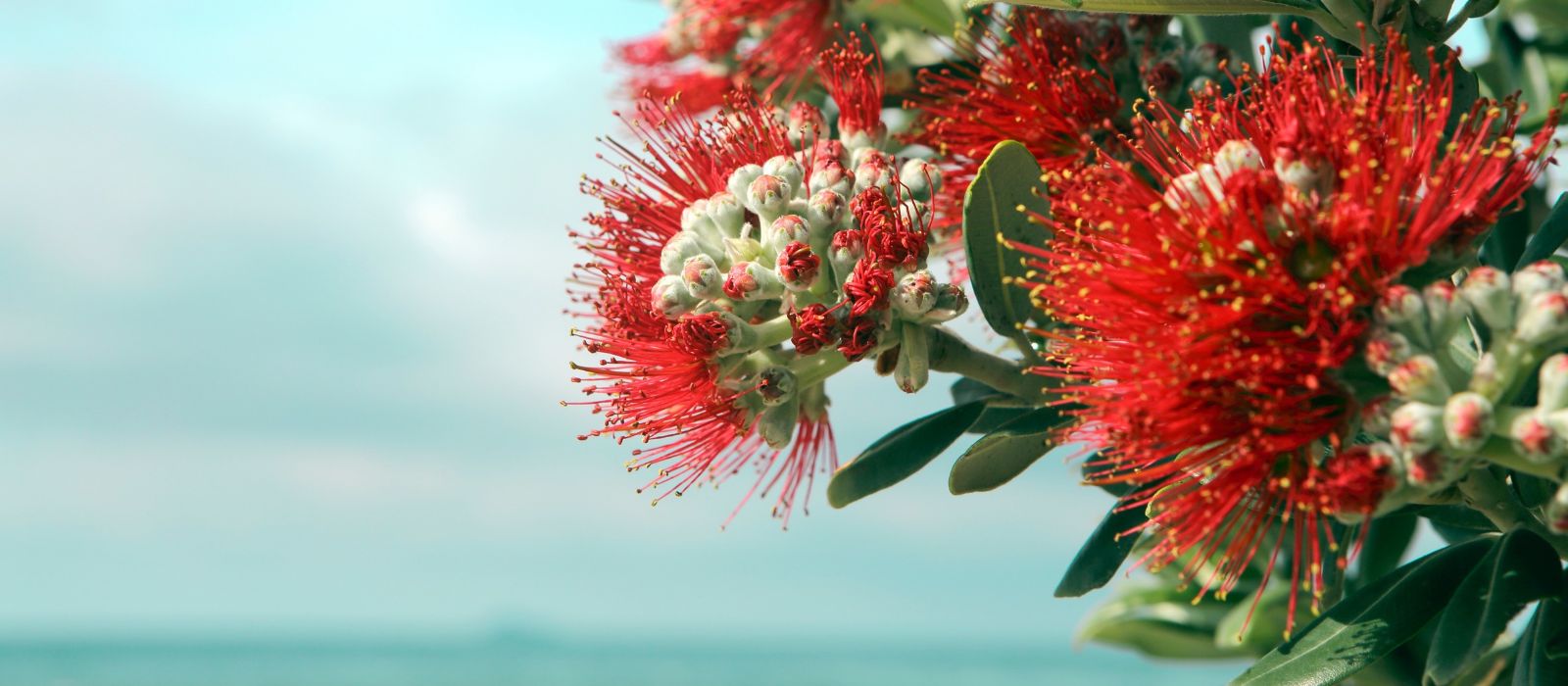
Suggested plants: Griselinia, Pittosporum, Olearia, Coprosma, Corokia, Akeake, Karo, Pōhutukawa, Banksia, Grevillea, Callistemon, Raphiolepis and Meryta sinclairii.
New Zealand natives
Natives provide shelter, flowers, foliage and habitat, but not every native tolerates direct salt spray.
Suggested plants: Akeake, Pōhutukawa, Olearia, Coprosma, Corokia, Phormium, Hebe, Muehlenbeckia, Pimelea, Pachystegia, Myosotidium and Meryta sinclairii.
Groundcovers and grasses
Low planting protects exposed soil, suppresses weeds and retains moisture, while grasses add movement.
Suggested plants: Groundcover Coprosma, Muehlenbeckia, native ice plant, Carex, Libertia, Lomandra, Festuca and low-growing Senecio.
Proteas and related plants
These plants prefer full sun, excellent drainage and low-phosphorus fertiliser. Protect them from continually wet soil.
Suggested plants: Protea, Leucadendron, Leucospermum, Grevillea and Banksia.
Common Problems
- Brown or scorched leaf edges may indicate salt, wind, heat or insufficient water. Check soil moisture, provide shelter where possible and rinse salt from foliage.
- If a plant leans or becomes loose, check its stake and gently firm the soil around the root ball. Constant rocking prevents new roots from establishing.
- Yellowing or poor growth may result from low nutrients, incorrect watering or poor drainage. If water runs through without wetting the root ball, water slowly and deeply, then check below the surface.
- Coastal does not always mean frost-free. Check whether your garden is also exposed to frost and choose plants that tolerate both local conditions.
Final Garden Expert Tip
Start with the toughest plants in the most exposed areas and use them to create shelter. As the garden establishes, you will create protected spaces where a wider range of flowering and foliage plants can thrive.