

What to do before frosty weather
Cover tender plants
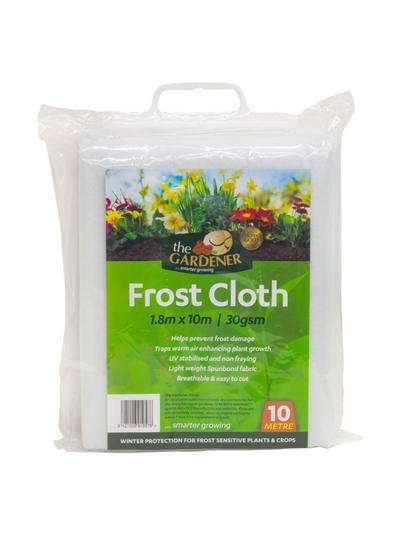
When frost is on the forecast, it’s a good idea to protect any frost-sensitive plants. Frost cloth is ideal as it helps trap warmth while still allowing airflow. Simply cover plants in the evening and remove in the morning once temperatures rise. It’s a simple step that can make a big difference to plant health. If you are after something that is a little less maintenance then consider Mikroclima which is a High quality all year round crop cover that’s is permeable to air and water, meaning you don't have to remove it every day.
Move pots under cover
Plants in pots are more vulnerable to cold as their roots are less insulated. Move containers into sheltered spots like under eaves, onto a covered patio, or into a greenhouse. Positioning them close to the house can also help retain a little extra warmth overnight.
Add mulch for insulation
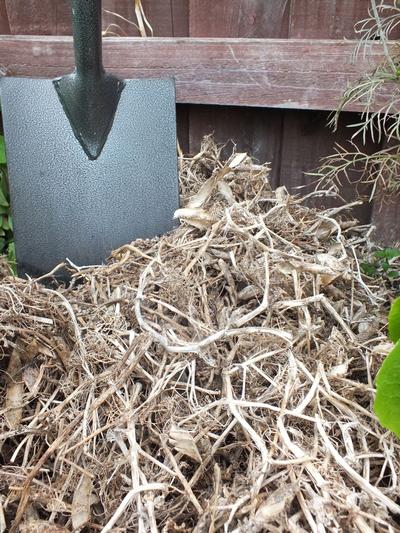
Applying a layer of mulch around your plants helps regulate soil temperature and protect roots from frost. Organic options like bark, compost, or straw work well and will continue to enrich your soil as they break down. Pea straw is a great option for veggie gardens and edible plants, while bark works well around trees and shrubs. For hungry, fast-growing plants like griselinias or hydrangeas, compost is the best choice to keep them well fed and thriving.
What to do after frosty weather
Hold off on pruning
It can be tempting to tidy up frost damage straight away, but it’s best to wait. The damaged growth actually helps protect the plant from further cold. Once the risk of frost has passed, you can prune back to healthy growth and encourage fresh new shoots.
Gently remove snow from branches
If snow settles on trees or shrubs, lightly brush it off to prevent branches from bending or snapping. Take care when handling plants, as cold conditions can make them more fragile.
Indoor winter jobs
Dust and care for indoor plants
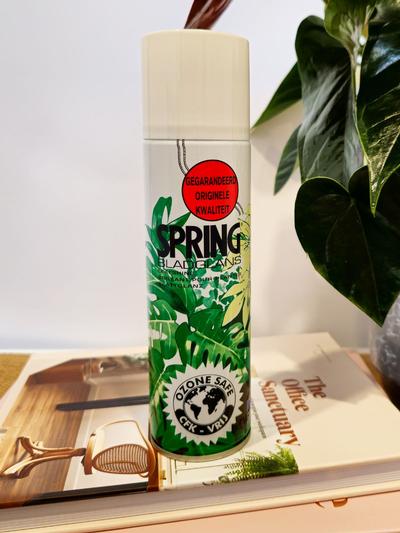
Indoor plants benefit from a little extra attention over winter, especially as light levels drop. Gently wipe down leaves with a damp cloth or our dusting gloves. Use Neem Oil Leaf Shine from Plant Runner, this provides a natural, glossy glow to plants while cleaning dust, boosting photosynthesis and acting as a pest repellent.
This is also a good time to check for common indoor pests like spider mites or scale. Treat early with a neem oil spray to keep things under control without harsh chemicals.
Growth naturally slows in cooler months, so ease back on watering and only water when the top layer of soil feels dry. If your plants are still actively growing, a light feed with a liquid fertiliser will help maintain their health without pushing too much soft growth.
Keeping plants away from cold drafts, heaters, and fireplaces will also help prevent stress. A little regular care over winter goes a long way in keeping your indoor jungle looking its best until spring.
Rearrange your Houseplants
As we move from summer into winter, the biggest change isn’t temperature, it’s light. Days are shorter, the sun sits lower in the sky, and light intensity drops significantly. So plants that were happy a metre or two back from a window in summer often need to be repositioned.
Here’s how to approach it:
- Move plants closer to light sources
In winter, most houseplants benefit from being brought closer to windows. A spot that was “bright indirect light” in summer can become quite dim, so shifting plants right up near a north or west-facing window helps maintain enough light for healthy growth. - Make the most of north-facing windows
In New Zealand, north-facing windows get the most consistent winter sun. This is prime real estate during colder months, so it’s worth rotating your plants through these spots if space is limited. - Don’t be afraid of a bit of direct sun
Winter sun is much gentler than summer sun. Plants that would scorch in summer can usually handle some direct light in winter, so you can be a bit more relaxed about positioning. - Adjust for low-light tolerant plants
Plants like ZZ plants, snake plants, and pothos will tolerate lower light, but they’re not immune to winter slowdown. Even these will appreciate being moved into brighter positions if possible. - Rotate plants regularly
With light coming from a lower angle, plants can start leaning more noticeably. A quick turn every week or two helps keep growth even. - Watch for signs they need more light
Leggy growth, smaller leaves, or yellowing can all be signs your plant isn’t getting enough light. If you notice this, it’s usually worth moving them closer to a window rather than increasing watering or feeding. - Be mindful of temperature at windows
While light is important, avoid pressing plants right up against very cold glass or drafty areas. There’s a balance between brighter light and protecting them from cold stress.
Plan and prepare for the season ahead
Winter is the perfect time to get organised. Start selecting seeds, planning your garden layout, and thinking about what you’d like to grow next season. Getting prepared early means you’ll be ready to make the most of the warmer months.