
When to prune citrus
In New Zealand, citrus are best pruned once the risk of hard frosts has passed. Late winter through spring is a good time for general pruning, depending on your local climate, while light maintenance pruning can be done at other times of the year.
Avoid heavy pruning during very hot weather, as suddenly exposing previously shaded branches can increase the risk of sunburn.
Start with the three Ds
Begin by removing any dead, damaged or diseased branches. These should always take priority before you start reshaping the tree.
If you’re unsure whether a branch is alive, gently scrape a small section of bark with your fingernail to gently scratch the surface. Green tissue underneath indicates living wood, while dry brown or grey tissue usually means the branch is dead.
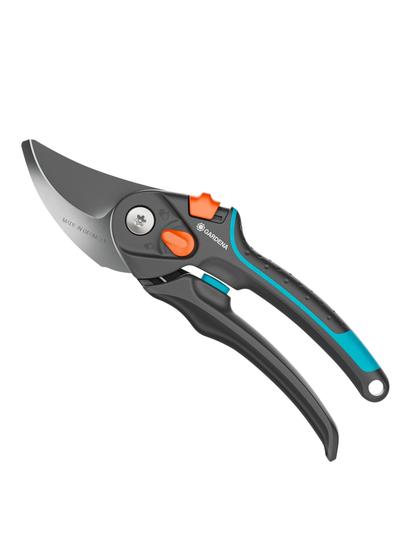
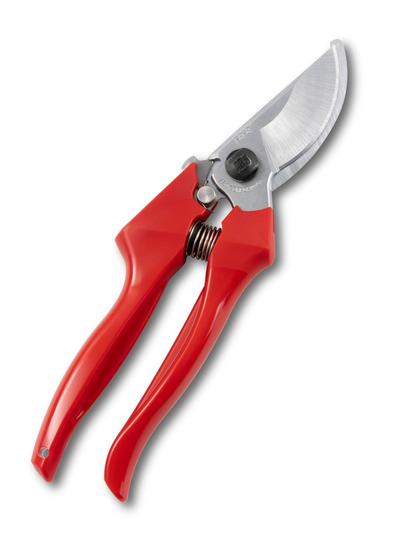
Cut dead or damaged branches back until you reach healthy wood. For smaller branches, use clean, sharp secateurs and make a tidy cut without leaving a long stub.
If you’re removing diseased material, clean your tools between cuts to reduce the chance of spreading infection to healthy parts of the tree.
Open up the canopy
Next, look at the overall structure of your citrus tree. Remove selected branches that cross, rub, grow strongly inward, or create particularly congested areas. The goal is to improve airflow and allow more light into the canopy, rather than creating a completely open centre. Better airflow helps foliage dry more quickly and creates less favourable conditions for some pests and diseases.
Work gradually and regularly stand back to look at the tree before making another cut. Citrus trees respond best to relatively light pruning, so avoid removing large amounts of healthy growth unnecessarily. As a general rule, try not to remove more than around 20–25% of the canopy at one time. If an older or badly overgrown tree needs significant renovation, spread the work over more than one season.
Make your cuts correctly
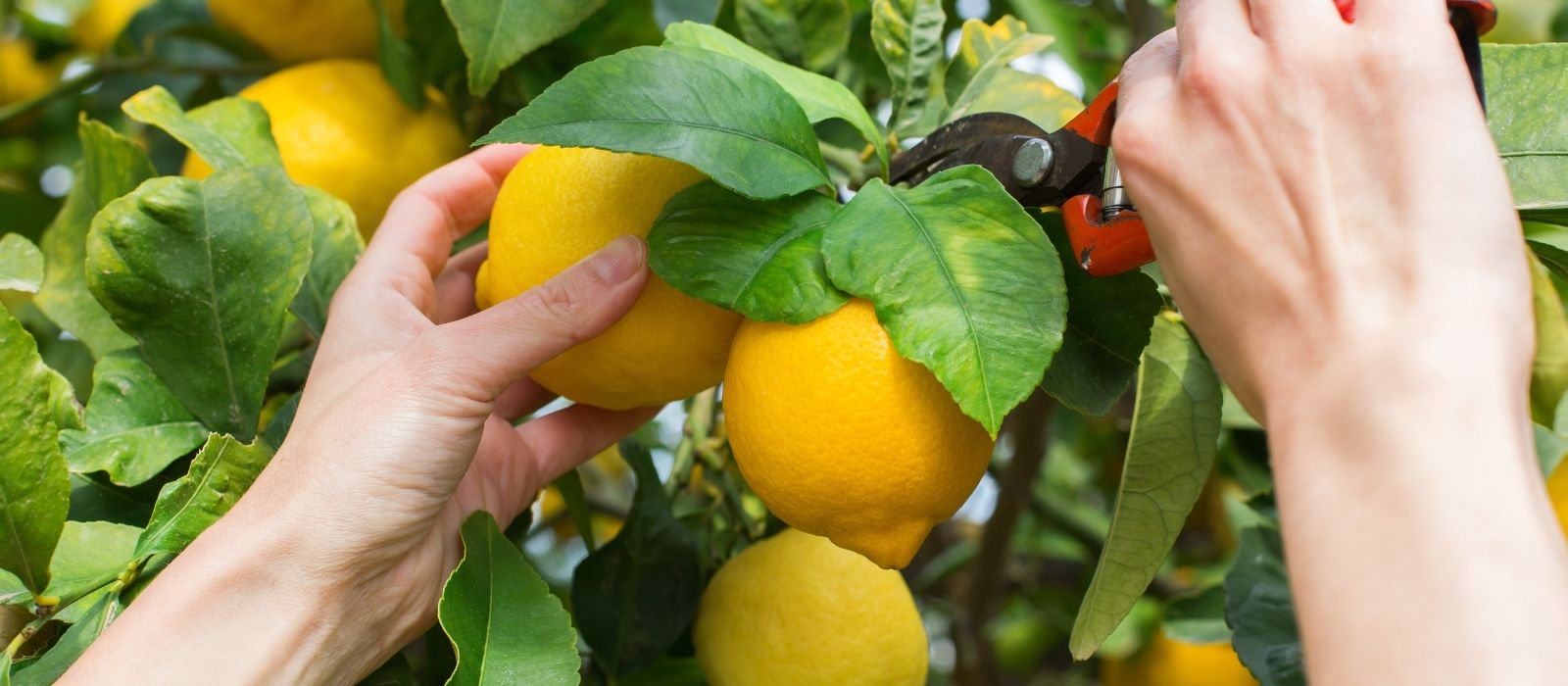
For smaller branches, make clean cuts just above a healthy outward-facing shoot or bud where appropriate.
When removing an entire branch, cut just outside the branch collar – the slightly swollen area where the branch joins a larger limb or trunk. Avoid cutting flush against the trunk, as the branch collar contains tissue that helps the tree seal the wound.
Remove larger branches with loppers or a pruning saw rather than forcing them through secateurs. For particularly heavy limbs, removing the branch in sections can help prevent the bark from tearing.
Remove suckers from below the graft
Many citrus trees are grafted onto a different rootstock. Look towards the base of your tree for the graft union, which often appears as a bump, bend or change in the trunk. Remove any shoots growing from below this graft as close to their point of origin as practical. These shoots come from the rootstock rather than your chosen citrus variety and can grow vigorously, competing with the main tree for water, nutrients and energy.
Check for suckers regularly, as removing them while they’re young is much easier than waiting until they develop into substantial branches.
Don’t over-prune
Citrus naturally produce dense, leafy canopies, and some of this growth is beneficial. The leaves help manufacture energy for the tree, and the canopy shades branches and developing fruit.
Avoid pruning simply to make the tree look sparse or perfectly shaped. Concentrate on removing problematic growth and maintaining a healthy structure.
If you need to reduce the overall size of a mature tree, do it gradually. Severe pruning can stimulate vigorous new shoots and expose previously shaded branches to strong sunlight.
After pruning
Once you’ve finished, remove all pruned material from around the base of the tree, particularly if it is diseased or pest-affected.
Keep your citrus well watered during dry periods and maintain a layer of mulch around the root zone to help conserve moisture, keeping mulch away from direct contact with the trunk.
If significant pruning has exposed major limbs that were previously shaded, watch for sunburn. Citrus bark can be sensitive when suddenly exposed to intense summer sun.