
Prune in June
Once plants are dormant, begin pruning on a still, dry day using clean, sharp tools. Remove dead, damaged or diseased wood, along with any mummified fruit and spent rose hips. This initial clean-up improves airflow and ensures winter sprays can reach all parts of the plant.
Avoid winter pruning peaches, nectarines and apricots, as this can increase disease risk.
Apply Lime Sulphur Spray
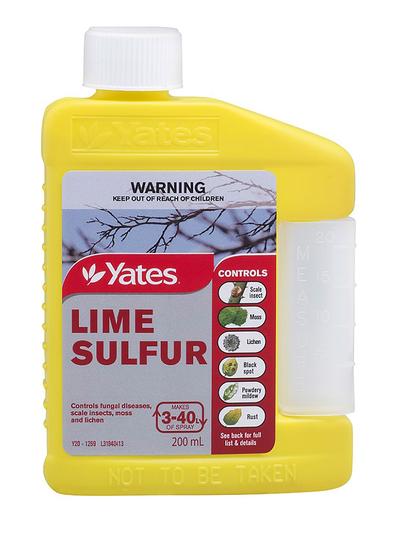
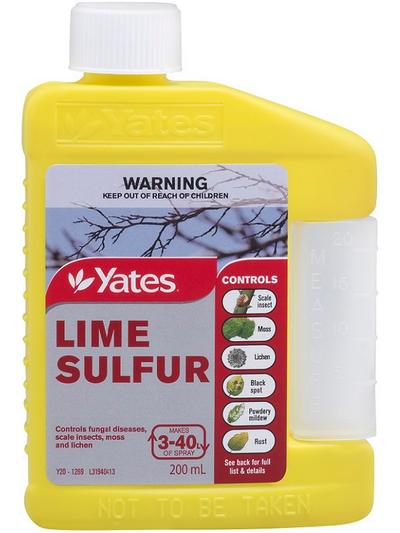
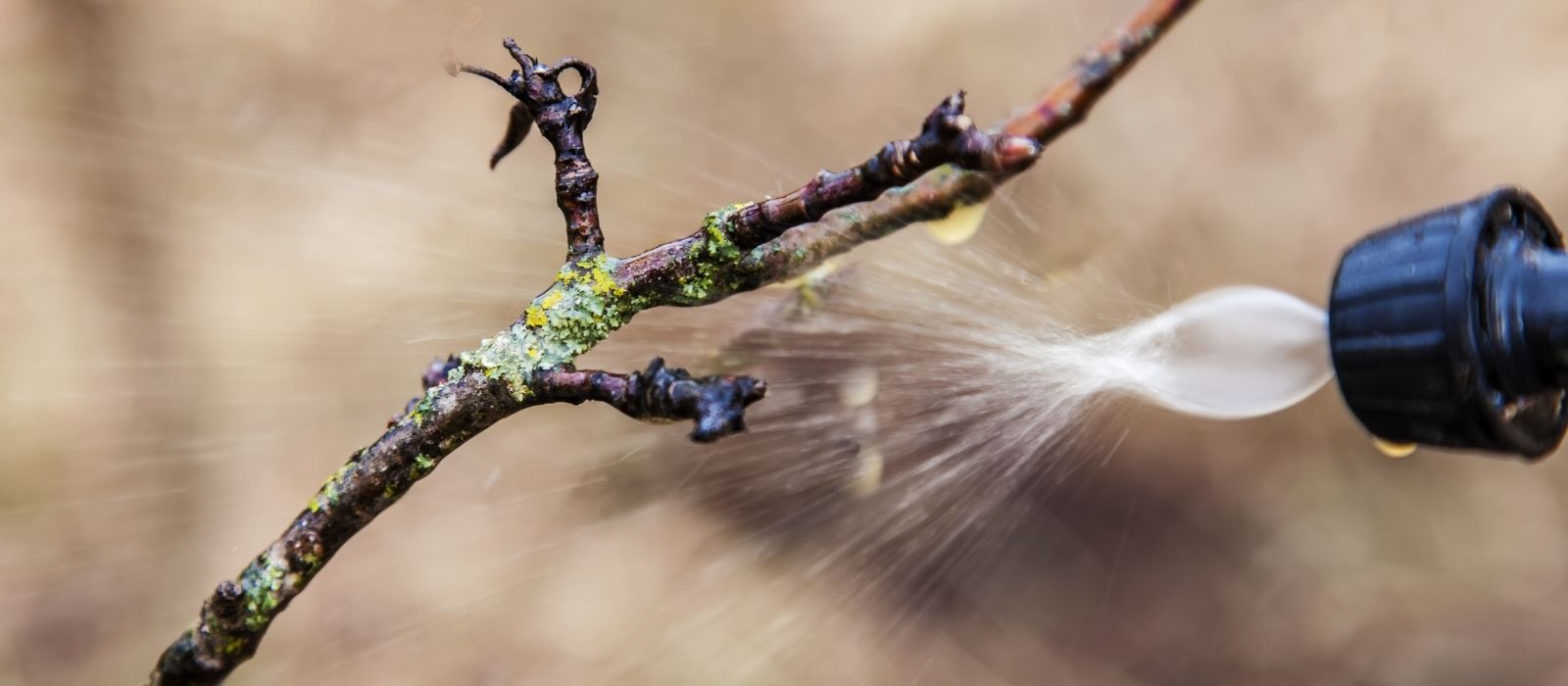
After pruning, apply lime sulphur to bare plants, ensuring thorough coverage of branches, forks and crevices. Lime sulphur is highly effective against fungal diseases such as leaf curl and also controls overwintering insects and their eggs. It helps remove lichen and moss from deciduous trees, improving light and airflow.
Important Notes:
- Do not use lime sulphur on plants with new leaf growth or those already in leaf.
- Do not use lime sulphur on apricots, evergreen plants, or citrus trees.
- Never mix lime sulphur with other sprays.
- Wait at least three weeks after using lime sulphur before applying other sprays.
Apply Liquid Copper (3-4 weeks later)
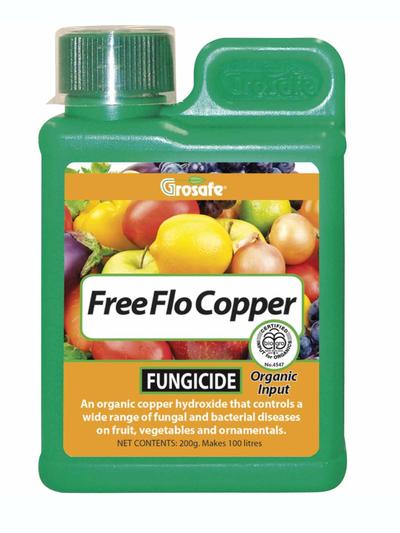
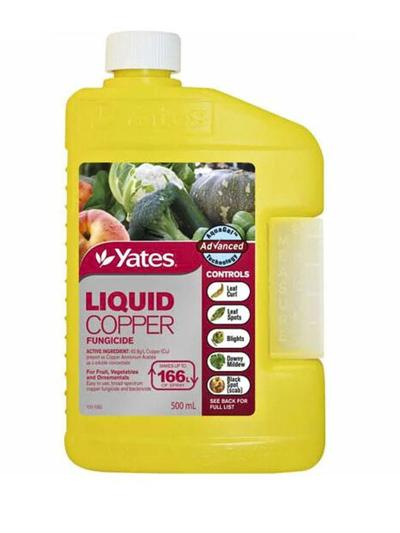
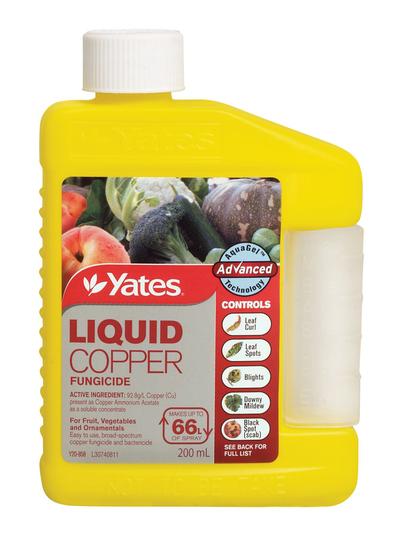
Three to four weeks after lime sulphur, apply liquid copper before buds begin to swell. Copper forms a protective barrier against bacterial and fungal diseases, including fireblight, bacterial canker and leaf curl, and helps seal pruning wounds during damp winter conditions.
Use Spraying Oil (1 week later)
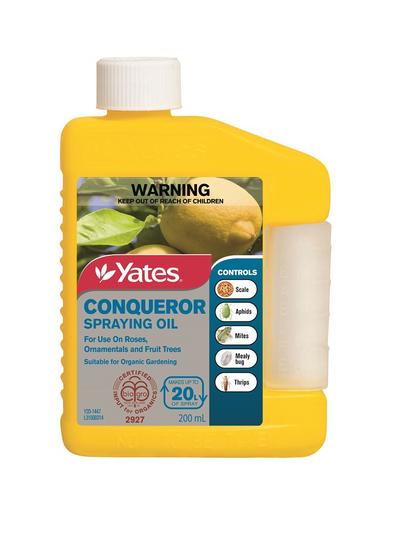
Around one week after copper, apply spraying oil, coating branches and stems so the oil runs into cracks and joints. This suffocates insects sheltering through winter and significantly reduces pest numbers later in the season. A second application can be made 10 to 21 days later. Spraying oil can also be used on citrus, provided plants are not in flower.
Post-Flowering Follow-Up
After flowering, once petals have fallen, repeat the liquid copper spray and follow with spraying oil one week later. This protects new growth as plants transition into active spring growth.
Prune Again
On a clear, sunny day, complete any additional shaping or thinning. Remove old canes from roses and brambles, and thin apples, pears and plums as needed. Clear fallen leaves from around plants to reduce disease carryover.
Important Notes:
- Do not prune peach, apricot, or nectarine trees during winter.
- Remove any fallen leaves to reduce the risk of pests and diseases spreading.
- Continue spraying your roses, fruit trees, and the surrounding soil to maintain healthy plants.
- Do not use sulphur sprays on apricots and evergreen trees.
- Never spray plants that have flowers.
Extra Tips:
- Use Yates Trace Elements Liquid or Egmont Trace Element Mix around the base of your trees to replace essential nutrients and boost plant immunity.
- Avoid spraying on frosty morning and wait until temperatures rise above 10°C.
- Use protective gear - gloves, mask, and long sleeves are a must.
- Clean your sprayer thoroughly after each use to avoid residue buildup.
Do I Need to Spray Everything?
Not every plant in the garden requires a full winter spray programme. Focus on deciduous fruit trees, roses and plants that have previously shown signs of disease or pest problems. Healthy, well-positioned plants may need minimal intervention, particularly in drier or well-ventilated gardens.