
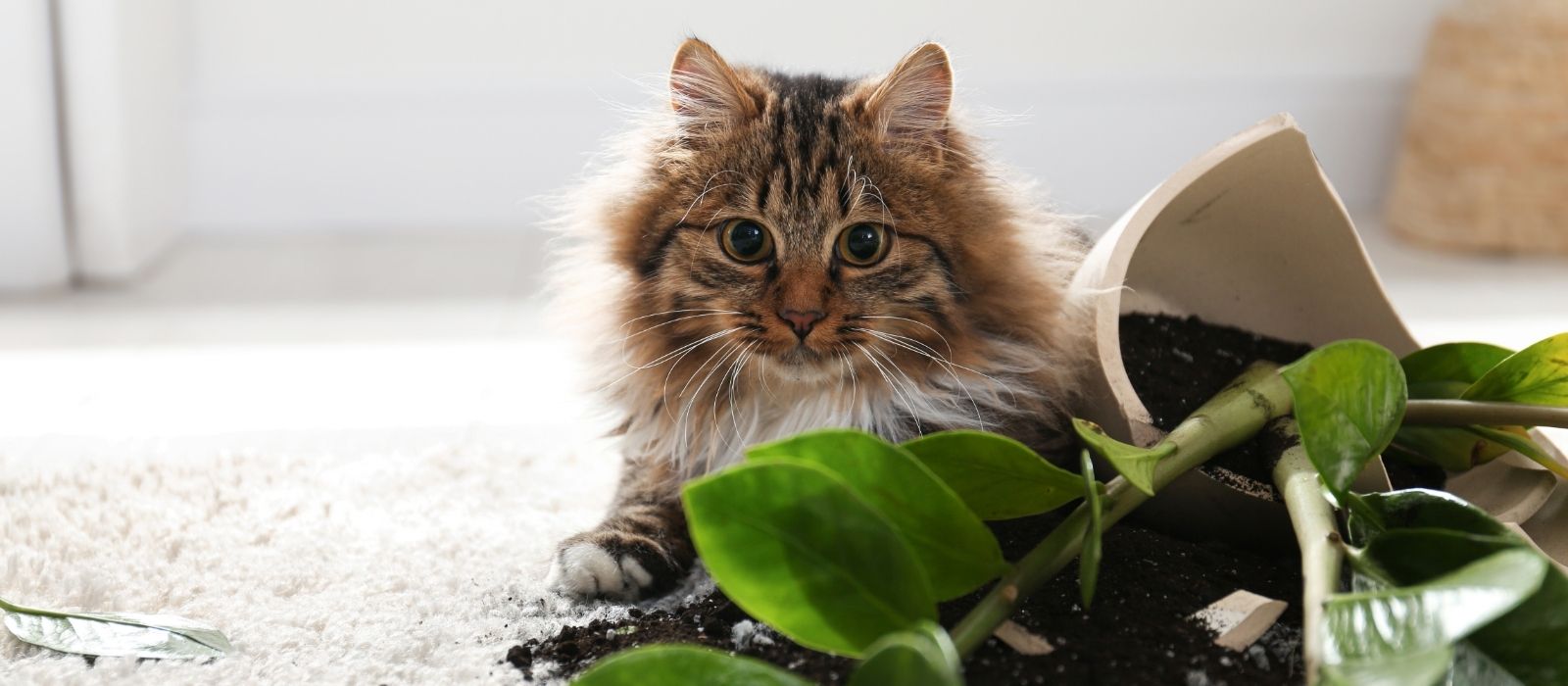
For those with curious cats or playful pups, choosing the right greenery is essential. Some plants can be toxic to pets, causing anything from mild digestive upset to serious health issues. Pets explore with their mouths, and even the most well-behaved animals can occasionally nibble on leaves. While some plants are harmless, others contain compounds that can lead to vomiting, diarrhoea, or worse. The good news? By selecting non-toxic varieties, you can enjoy stunning lush foliage without compromising your furry friend’s health.
Non-toxic to Cats & Dogs
These plants are safe for your furry friends, even if they take a curious nibble. However, excessive consumption can still cause digestive upset, so it’s best to keep plants out of reach of pets.
- Peperomia Varieties
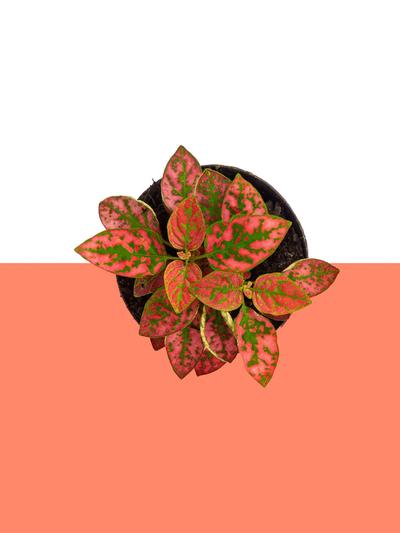
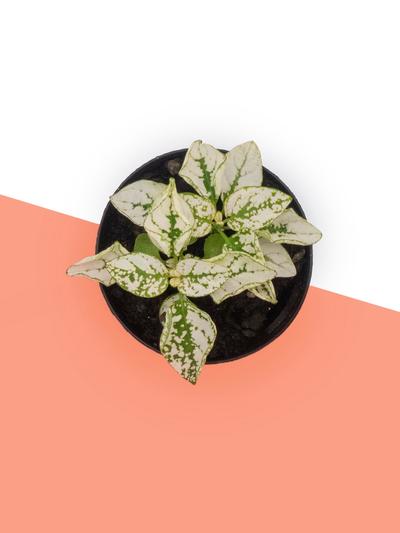
- Hypoestes phyllostachya (Polka Dot Plant)
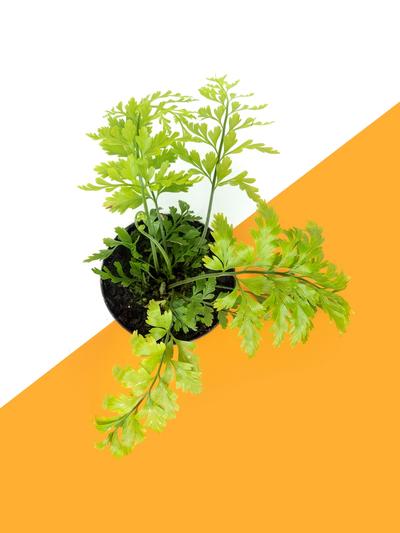
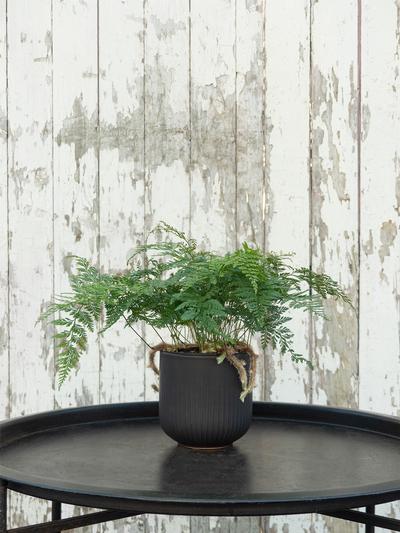
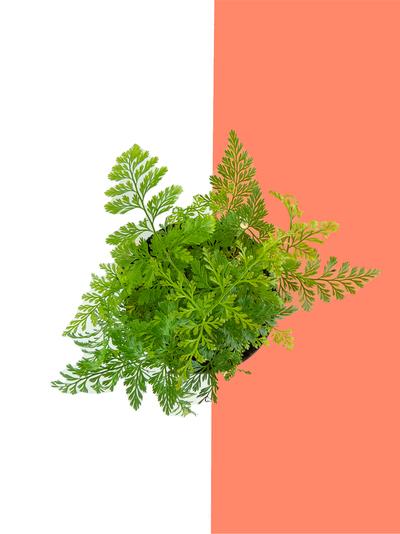
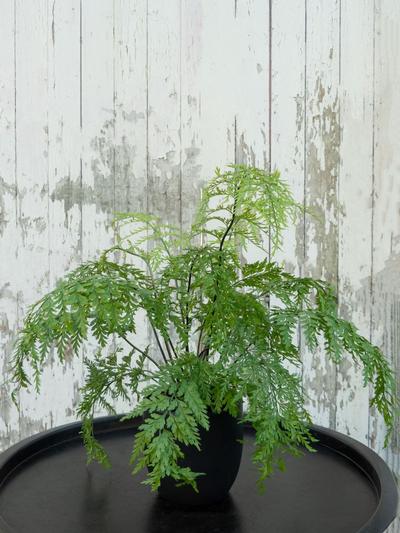
- Rabbit’s Foot Fern
- Boston Fern
- Burro's Tail
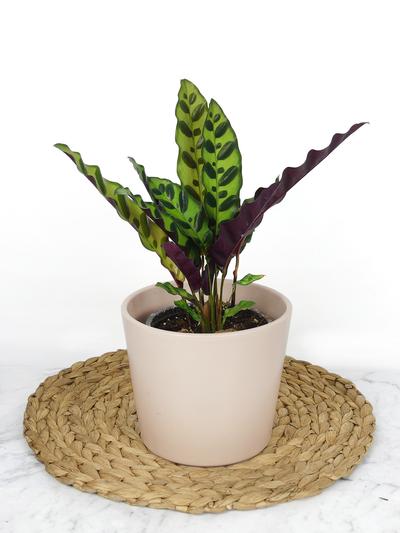
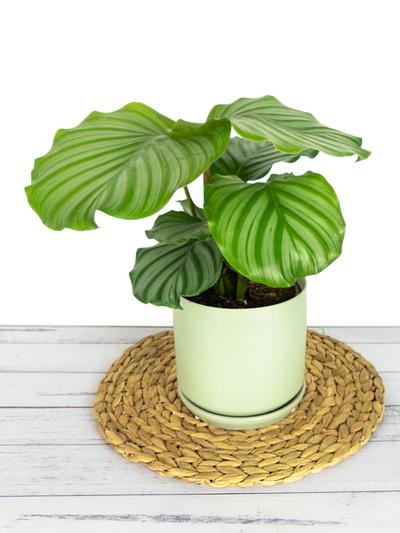
- Calathea
- Maranta (Prayer Plants)
- Chamaedorea (Parlor Palm)
- Echeveria elegans (Hen and Chicks)
- Haworthia species (Zebra Plant)
- Hen & Chicken Fern
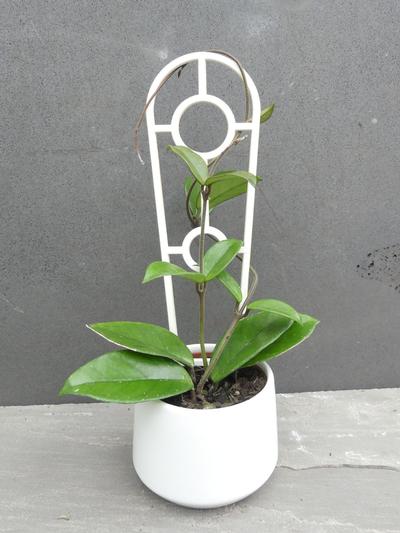
- Hoya carnosa varieties (Wax Plant)
- Kentia Palm
- Lithops (Living Stones)
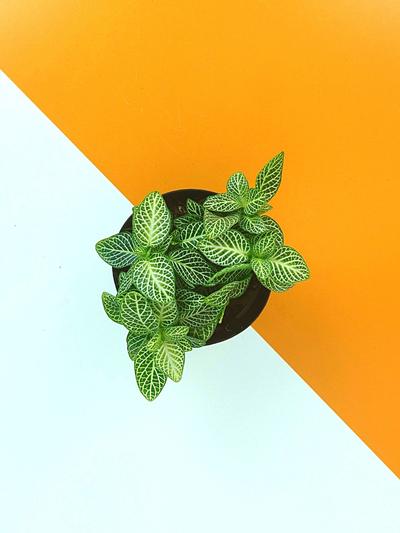
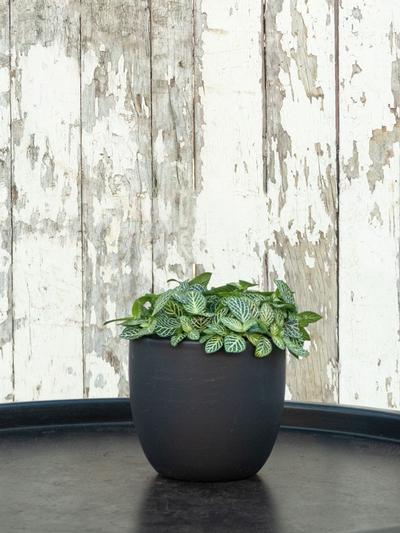
- Fittonia (Nerve Plant)
- Pilea (Chinese Money Plant)
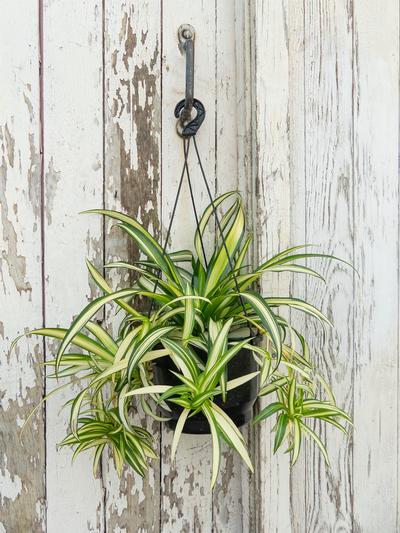
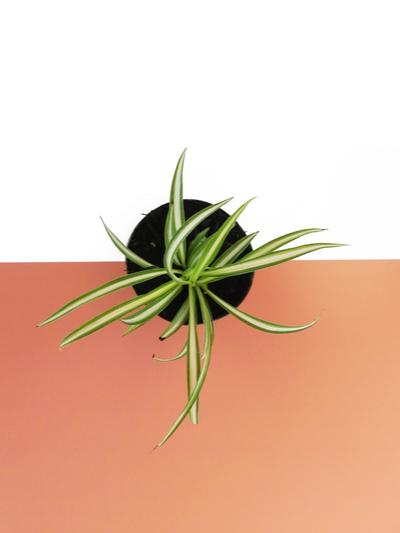
- Chlorophytum (Spider Plant)
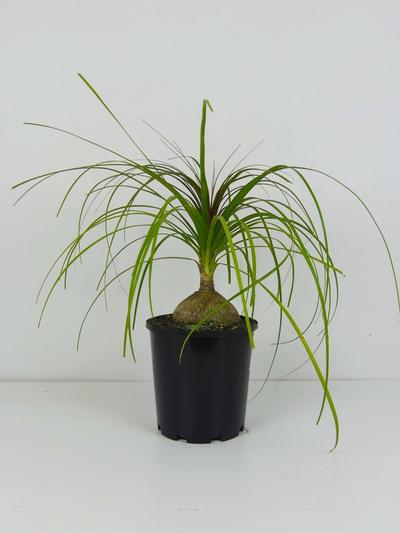
- Beaucarnea recurvata (Ponytail Palm)
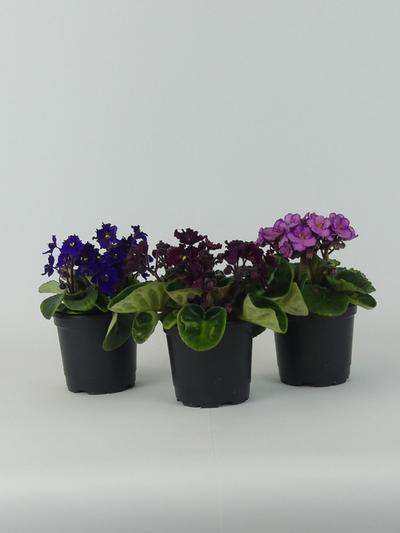
- African Violet
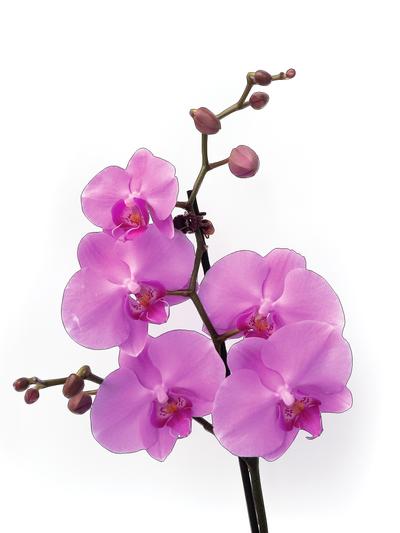
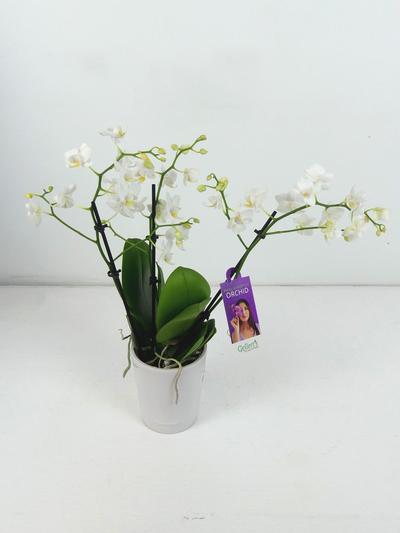
- Phalaenopsis Orchid
- Swedish Ivy
Toxic to Cats & Dogs
These plants are poisonous and should be kept well out of reach of pets. Ingesting these can cause symptoms ranging from vomiting and drooling to severe organ damage. If you suspect your pet has eaten a toxic plant, contact your veterinarian immediately.
- Dracaena
- Dieffenbachia
- Jade Plant
- Aloe Vera
- Philodendron
- Cycas (Sago Palm)
- Zanzibar (ZZ Plant)
- Yucca
- Monstera species
- Peace Lily
- Pothos species
- Sansevieria (Snake Plant)
- Devils Ivy (Ivy Golden Pothos)
- Alocasia
- Syngonium (Arrowhead Plant)
- Chrysanthemum
Top Tips for a Pet-Friendly Green Space
- Elevate your plants: Use shelves or hanging planters to keep greenery out of reach.
- Train and distract: Provide safe chew toys and teach pets to leave plants alone.
- Know your plants: Always check toxicity before bringing a new plant home. The ASPCA website is a great resource.
With a little planning, you can enjoy the beauty of houseplants and keep your pets safe. Choose wisely, decorate creatively, and let your indoor jungle thrive—without worry.
Important Reminder
Even non-toxic plants can cause mild gastrointestinal issues if consumed excessively, so it's essential to place them in locations where pets can’t easily access them. If you believe your pet has ingested a toxic plant or if it shows signs of illness, contact your veterinarian immediately.