
Why is Mulching Important?
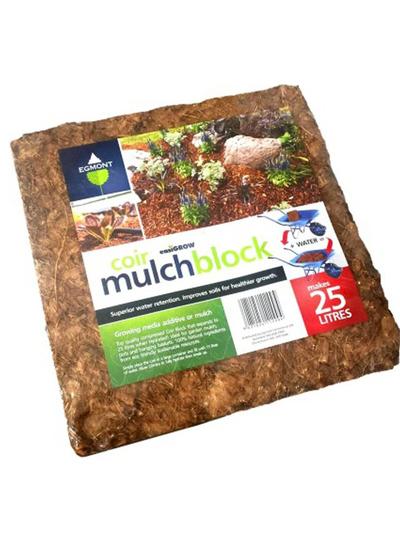
Mulch is an excellent tool for conserving moisture in the soil, especially during dry summer months. It also helps maintain a consistent soil temperature, which is important for healthy plant growth. Organic mulches also break down over time, feeding the soil with valuable nutrients.
How Does Mulch Conserve Moisture?
Mulch helps conserve soil moisture year-round by acting as a protective barrier over the soil. In summer, it blocks direct sunlight, reducing evaporation and keeping the ground moist for longer, which means less frequent watering during hot, dry weather. In autumn and winter, mulch continues to protect the soil by reducing moisture loss from wind and changing temperatures while helping trap rainfall where plants need it most. It also improves water absorption during heavy rain and helps maintain consistent moisture levels around plant roots. As organic mulches such as bark, pea straw, leaves, and compost break down over time, they improve soil structure and help the soil retain moisture more effectively for healthier plant growth in every season.
How Does Mulch Help Soil Temperature?
Mulch works like a blanket for your soil, helping keep temperatures stable. This is particularly beneficial for fruiting crops such as tomatoes, capsicums, and cucumbers, which thrive in consistent growing conditions. By reducing temperature fluctuations, plants experience less stress and produce stronger growth.
Why is Mulch Important in Winter?
In colder months, an extra layer of mulch can help protect plant roots from frost damage. Think of it as wrapping your plants in a warm jacket for winter. Mulching around shrubs, perennials, and young trees helps insulate roots and supports healthier growth when spring arrives.
Why Organic Mulches Are Best
Organic mulches naturally decompose over time, improving soil structure and adding nutrients back into the garden. They also encourage beneficial microorganisms and earthworms, creating healthier soil overall.
Common organic mulches include:
- Leaves
- Peat moss
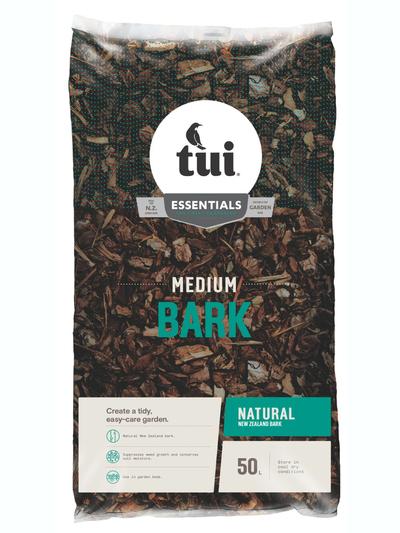
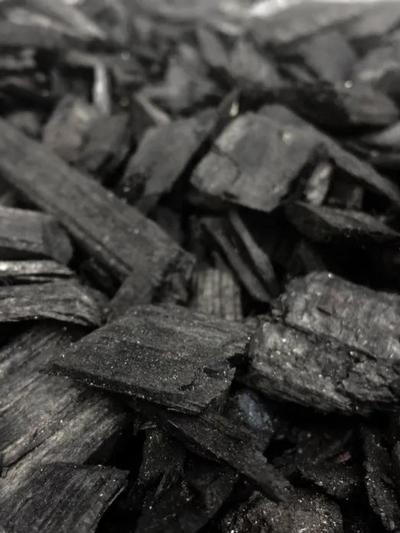
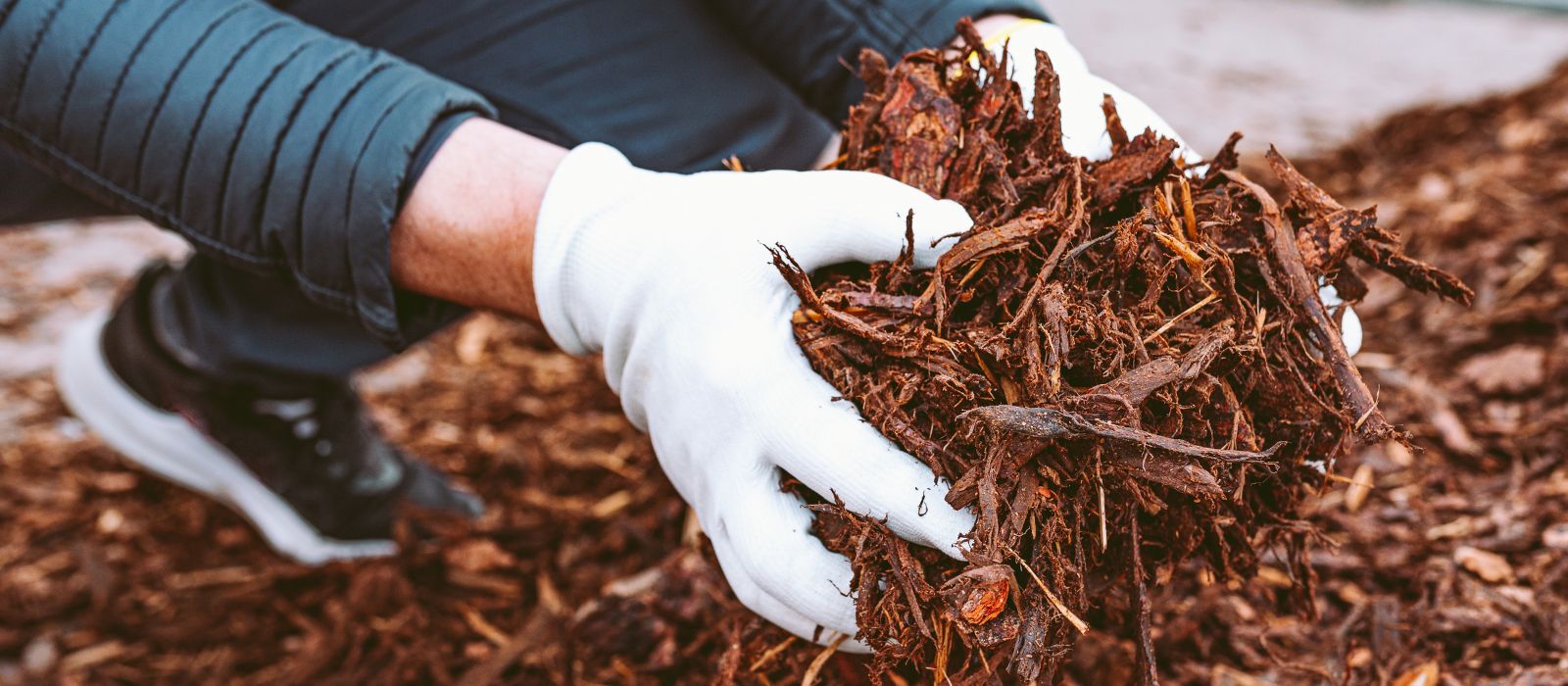
- Wood or bark chips
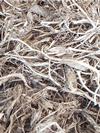
- Pea straw
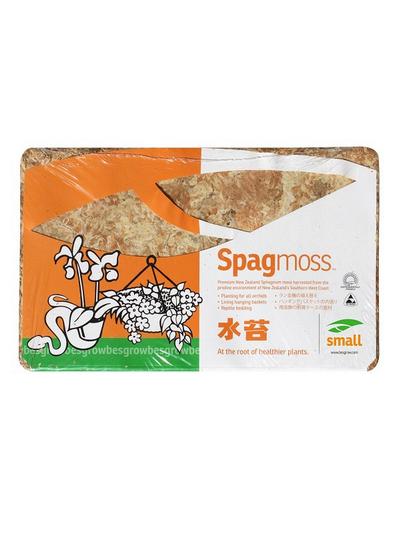
- Sphagnum moss
- Compost
What Mulch is Best?
Different plants benefit from different mulch types, so selecting the right option can make a big difference in your garden’s success.
Pea Straw for Vegetables
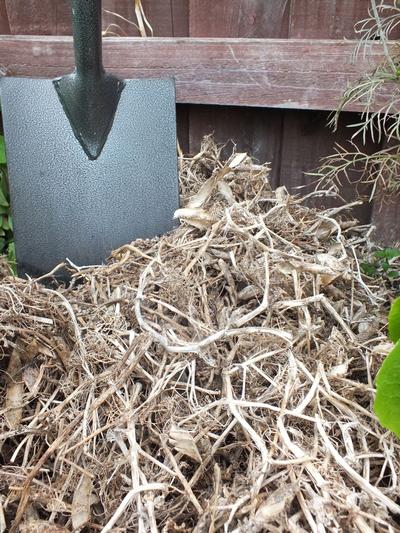
Pea straw is an ideal choice for veggie gardens. It helps retain moisture around seedlings, suppresses weeds, and gradually breaks down to improve soil health. Spread it around vegetables such as lettuce, tomatoes, and beans, keeping the mulch clear of stems to prevent rot.
Bark Mulch for Trees
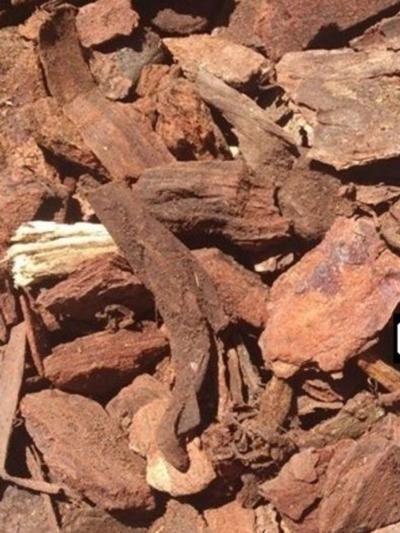
Bark mulch is best suited for trees and shrubs because it lasts longer than lighter mulches. Apply it around the base of trees to help conserve moisture and regulate soil temperature, but always leave a small gap around the trunk to prevent moisture build-up and disease.
Compost for Hungry Plants
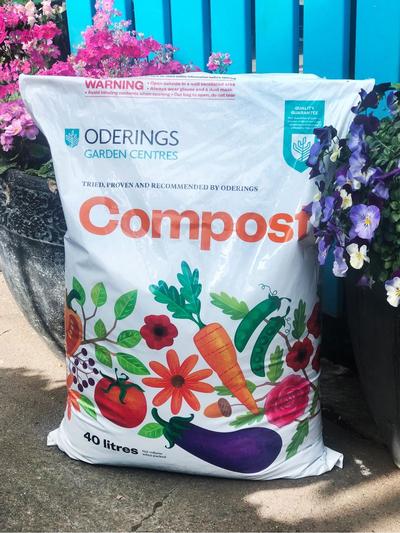
Compost makes an excellent mulch for fast-growing annuals and nutrient-hungry plants. It slowly releases nutrients while improving soil texture, making it perfect for flower beds and seasonal plantings that need regular feeding.
How to Apply Mulch Properly?
Before adding mulch, always prepare the area properly for the best results.
- Remove any weeds from the soil first.
- Water the area well before mulching.
- Spread mulch evenly around plants, aiming for a layer around 5–10cm deep.
- Keep mulch slightly away from stems and trunks to avoid rot and fungal issues.
Watch Your Garden Thrive
Mulching is one of the easiest ways to improve the health and appearance of your garden while reducing maintenance. With the right mulch in the right place, you’ll conserve water, protect plant roots, feed your soil, and create the ideal environment for plants to flourish. As your mulch breaks down and enriches the soil, you’ll soon see the rewards in stronger growth and a thriving garden.
Applying mulch correctly helps maximise moisture retention while keeping plants healthy and protected.