
What Is a Formal Garden?
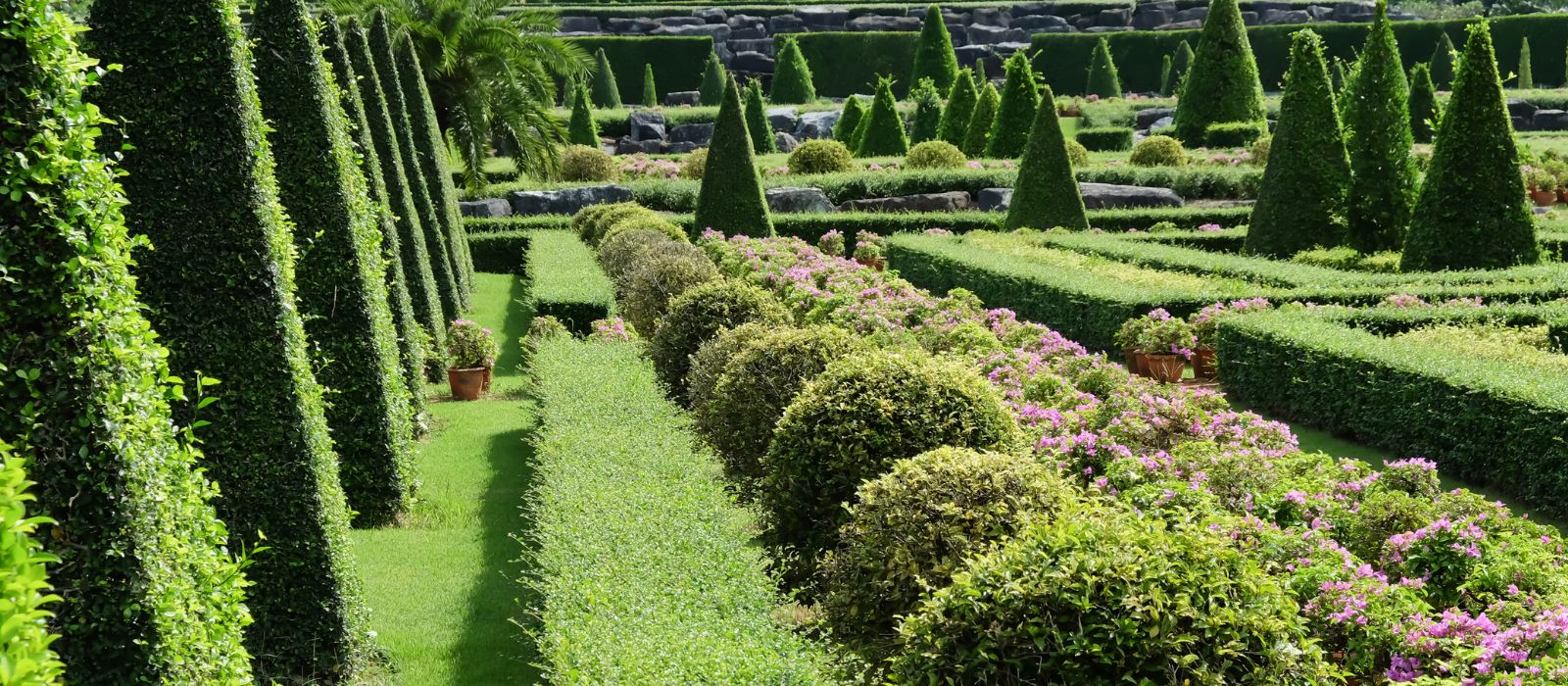
A formal garden is all about structure, symmetry, balance, and clean lines. Think clipped hedges, geometric paths, repeated planting patterns, and elegant focal points. Traditional formal gardens often draw inspiration from English, French, or Italian garden styles, but you can adapt the look to suit modern homes too.
Step 1: Plan Your Layout
Before planting anything, sketch your garden design.
Key principles:
- Symmetry is essential
- Use straight lines and geometric shapes
- Create clear pathways
- Include a focal point such as a fountain, statue, urn, or feature tree
- Repeat plants for consistency and rhythm
Popular layout ideas:
- Central axis pathway
- Circular garden rooms
- Box hedge parterres
- Gravel or paved walkways
- Framed lawn spaces
Tip: Use string lines or spray paint to mark out shapes before digging.
Step 2: Build the Structure First
Formal gardens rely heavily on “bones” or permanent structure. Hedges are great for borders and defining spaces.
Recommended plants:
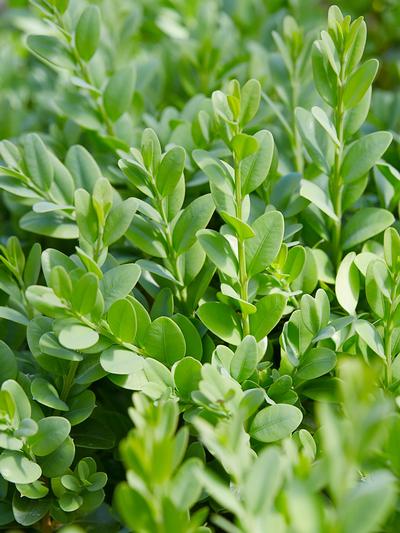
- Buxus sempervirens
- Ilex crenata
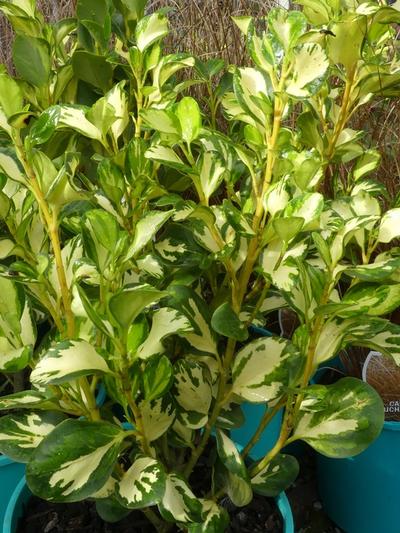
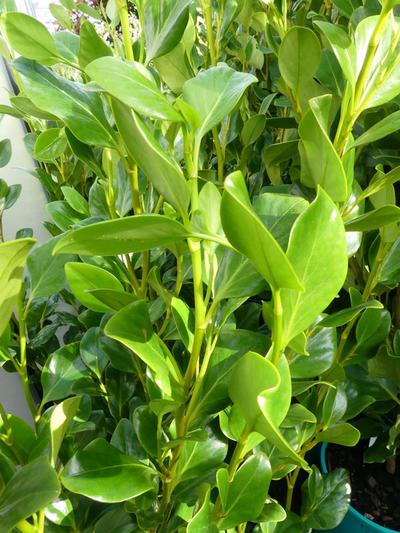
- Griselinia littoralis
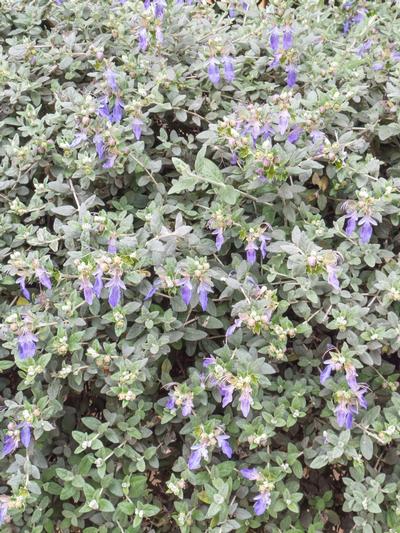
- Teucrium fruticans
Trees - Use paired trees or evenly spaced rows.
Great choices:
- Magnolia grandiflora
- Pyrus calleryana
- Cupressus sempervirens
- Acer palmatum
Topiary - Clipped plants create elegance and formality.
Popular options:
- Box balls
- Spiral conifers
- Standard bay trees
- Clipped yew cones
Step 3: Choose a Planting Palette
Formal gardens look best with a restrained colour palette.
Stick to:
- Greens and whites
- Soft pinks and purples
- Repeated plant combinations
- Limited varieties planted in groups
Some great flower Suggestions
Classic Formal Flowers:
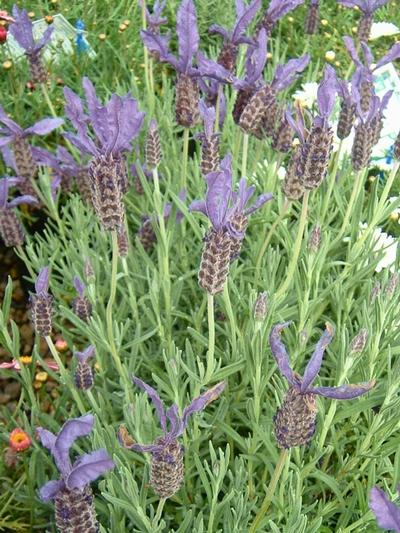
- Lavandula angustifolia
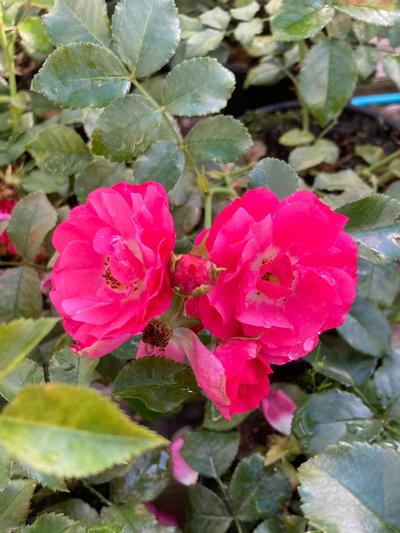
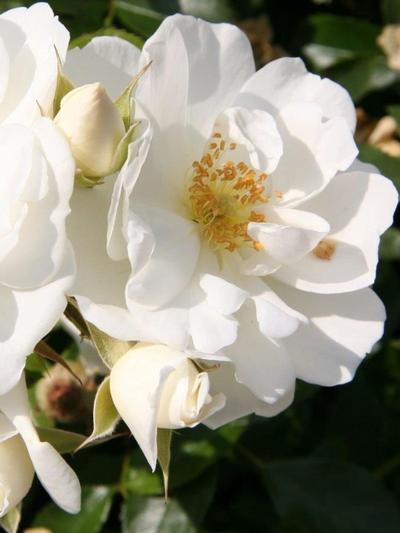
- Rosa
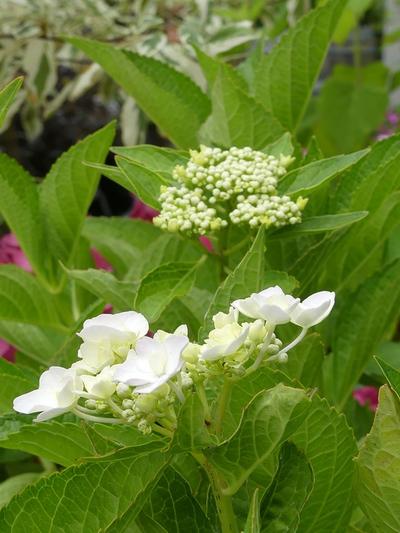
- Hydrangea macrophylla
- Salvia nemorosa
- Agapanthus africanus
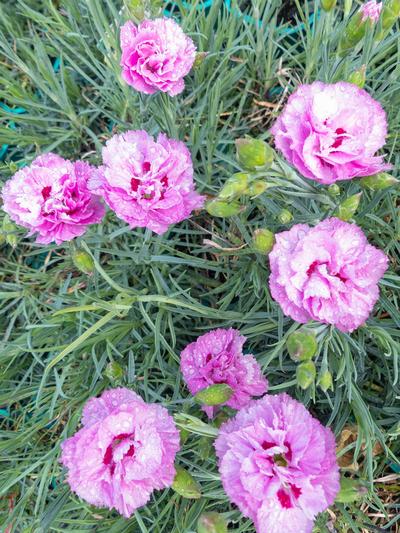
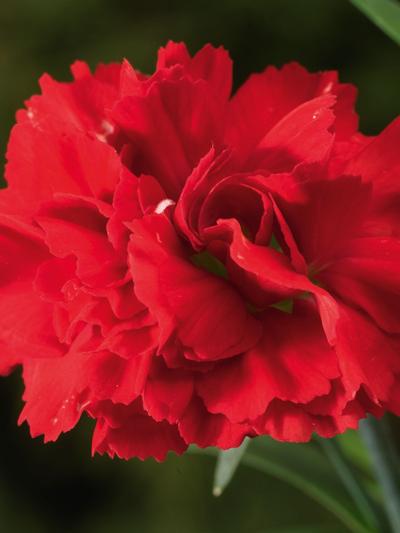
- Dianthus
Elegant Foliage Plants
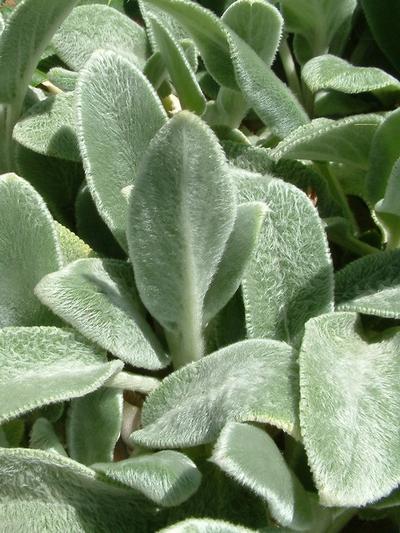
- Stachys byzantina
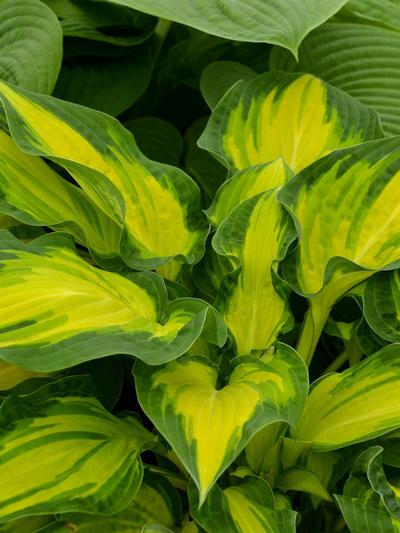
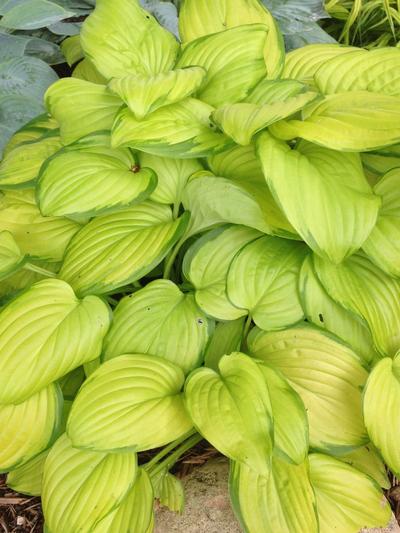
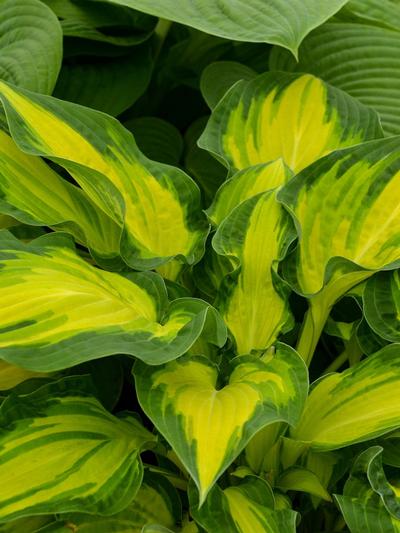
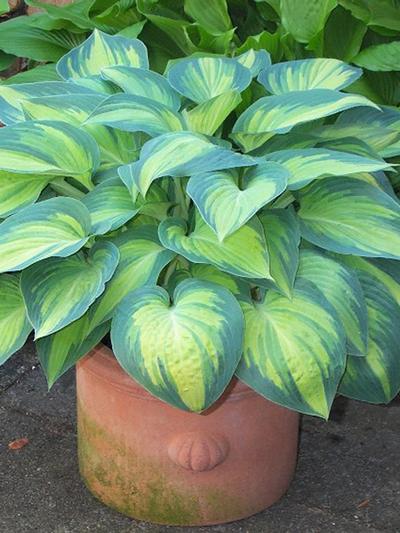
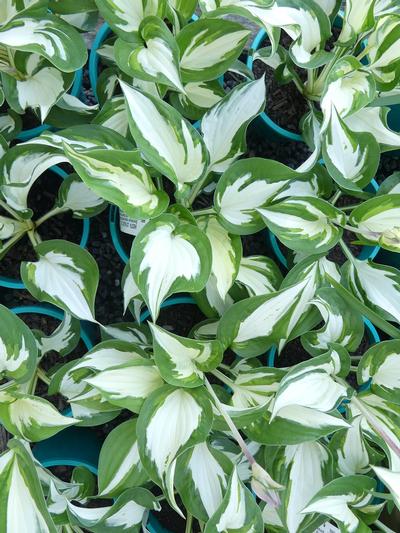
- Hosta
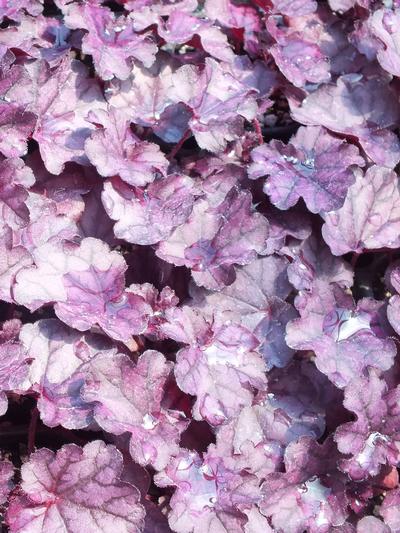
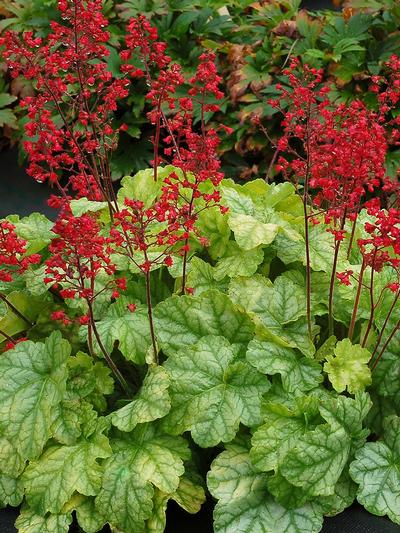
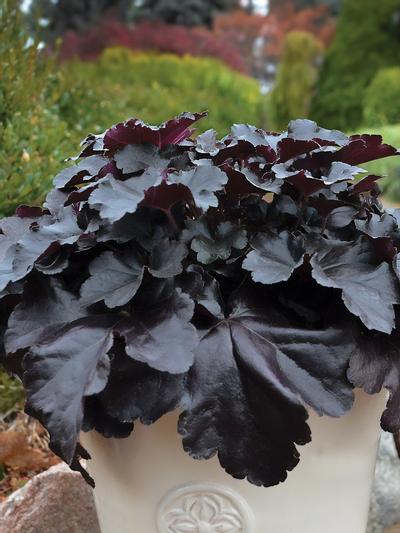
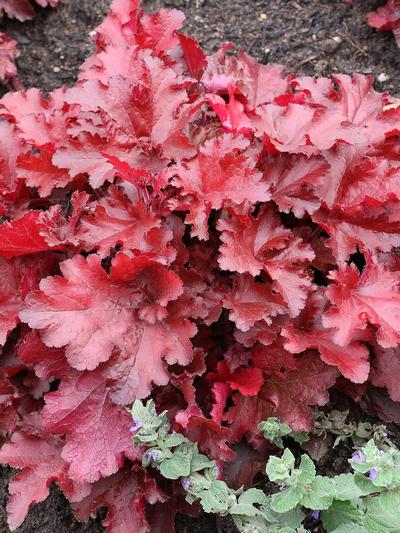
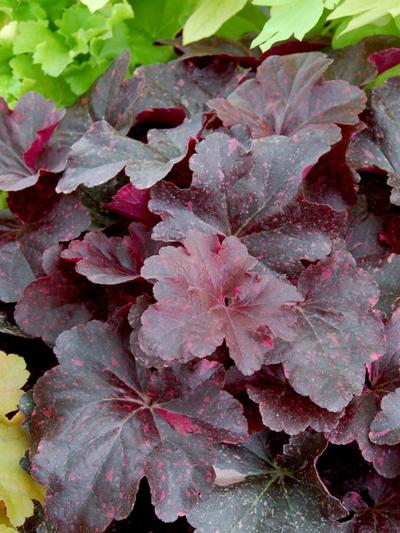
- Heuchera
Tip: Plant in drifts or mirrored groups rather than random mixes.
Step 4: Create Pathways and Edging
Hard landscaping is a huge part of formal garden design.
Popular materials:
- Gravel
- Brick
- Bluestone
- Limestone
- Symmetrical paving
Edging ideas:
- Steel edging
- Low clipped hedges
- Brick borders
Tip: Keep paths wide enough for two people to walk side-by-side comfortably.
Step 5: Add a Focal Point
Every formal garden needs a visual anchor.
Ideas include:
- Stone fountain
- Birdbath
- Urn planters
- Sculptures
- Reflecting pool
- Feature tree
Step 6: Planting
When it comes to formal gardens, spacing is key. Crowded planting can quickly lose its structure and definition, so be sure to allow enough room for plants to reach their full mature size. Repeating the same plants, shapes, and textures throughout the garden helps create a sense of balance and elegance. Clipped hedges and topiary are essential for achieving that intentional, refined look formal gardens are known for. Regular maintenance is also important, light, frequent pruning is far more effective than harsh annual cuts. Finally, apply mulch generously to help suppress weeds, retain moisture, and give garden beds a neat, polished finish.
Tip: Evergreen plants provide year-round structure and keep the garden looking tidy in winter.
Install Irrigation Early: Drip irrigation hidden beneath mulch makes maintenance much easier.
Best Formal Garden Styles
English Formal: Soft flowers combined with clipped hedges and symmetry.
French Parterre: Highly geometric with intricate hedge patterns.
Modern Formal: Minimalist planting with strong architectural lines.
Mediterranean Formal: Uses gravel, olives, cypress, and stone.
Beginner Friendly Formal Garden Formula
If you want an easy starting point:
- Box hedge border
- Central lawn
- Lavender edging
- Two feature trees
- Gravel pathway
- White roses
- Stone urn or fountain
This simple combination creates an elegant formal garden without becoming overwhelming.
Common Mistakes to Avoid
- Using too many plant varieties
- Ignoring symmetry
- Planting without considering mature size
- Overcomplicated colour schemes
- Poor maintenance of hedges
- Narrow pathways
Final Advice
A formal garden improves with age. Focus first on structure and layout, then layer in flowers and decorative elements over time. Patience and regular maintenance are the secret to achieving that timeless, elegant look.