
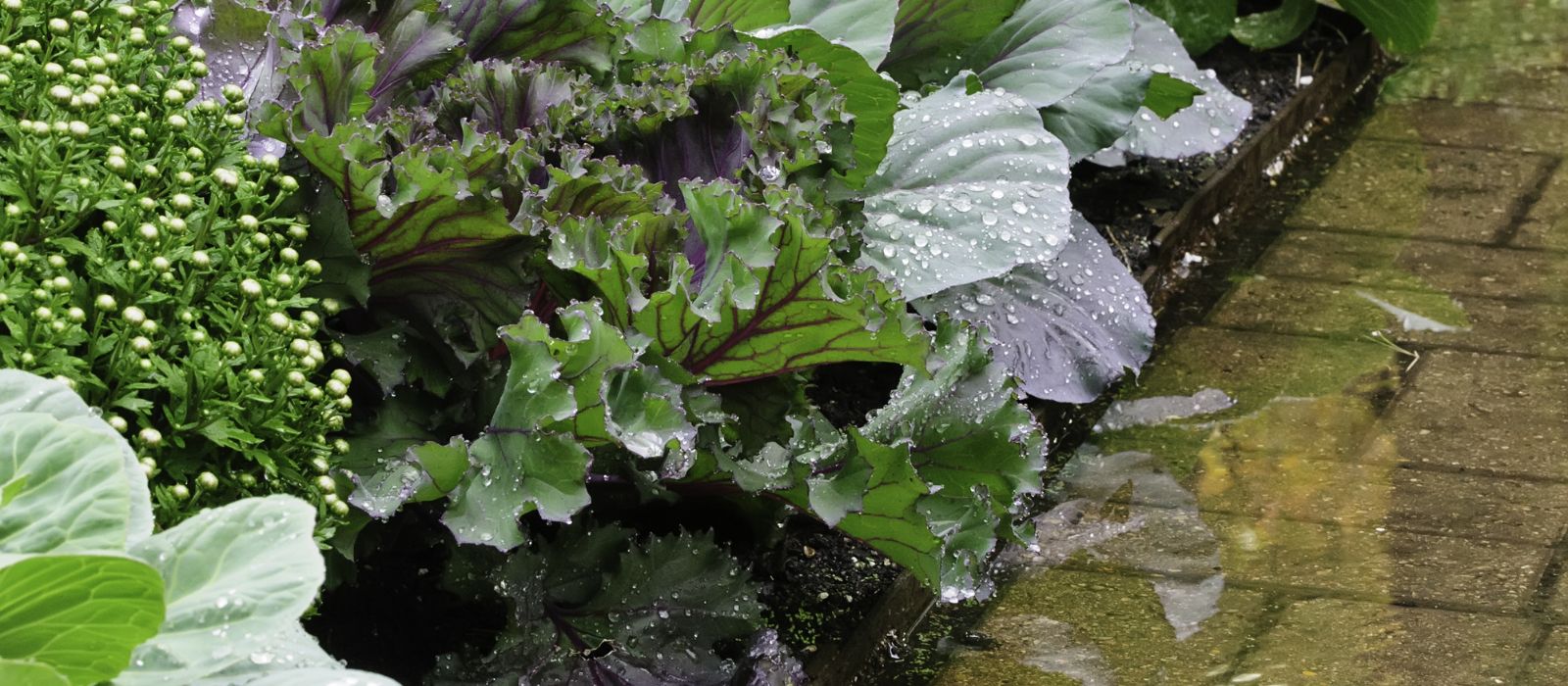
First things first: take a breath. A flooded or rain-soaked garden may look dramatic, but it's not automatically a lost cause. Plants are tougher than they look, and with a little patience (okay, sometimes a lot), many will bounce back just fine. This guide will help you with post-rain recovery and essential garden maintenance so your plants can thrive again.
Don't Rush In
Don't work we soil. Digging or walking on it while it is soggy can compact the soil and cause long-term problems. To check if the soil is ready, squeeze a handful. Soil that sticks together like mud needs more time to dry. When it crumbles easily in your hand, it is safe to start working.
Clear Debris Carefully
Remove branches, rubbish, and washed-in mulch by hand to avoid damaging plants. Rinse mud off leaves with a gentle spray so they can breathe and soak up sunlight. Pull mulch away from stems and crowns to help prevent rot. These small steps are key to garden maintenance after heavy rain.
Check Roots and Plant Health
If plants wilt even though soil is wet, the roots may be damaged. Look for yellowing leaves, soft stems, or plants that lift easily, as these can be signs of rot. Some plants can be saved by trimming away the affected roots, while others may not fully recover.
Check Roots and Plant Health
If plants wilt even though soil is wet, the roots may be damaged. Look for yellowing leaves, soft stems, or plants that lift easily, as these can indicate rot. Some plants can be saved by trimming away the affected roots, while others may not fully recover. Understanding what your plants need at this stage helps you decide when to intervene and how to give the best chance of bouncing back.
Prune Only What's Broken
When it comes to pruning after a flood, Less is more. Use clean tools to remove snapped, bent, or clearly dead growth. Light pruning helps prevent disease and allows plants to focus on recovery. Avoid heavy pruning while plants are stressed, as this can slow their healing.
Watch for disease
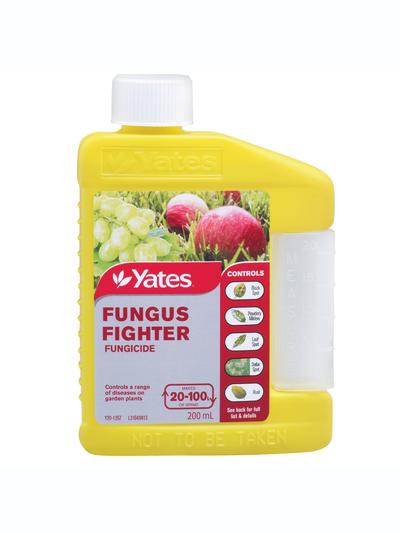
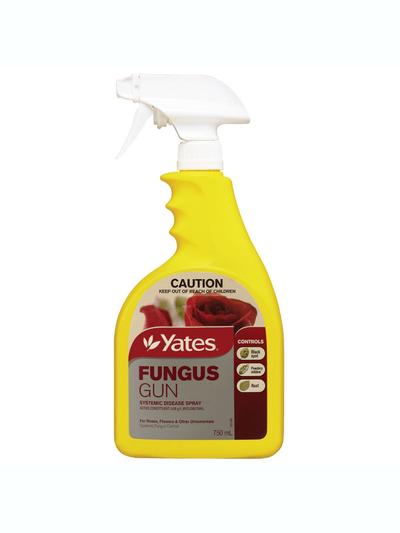
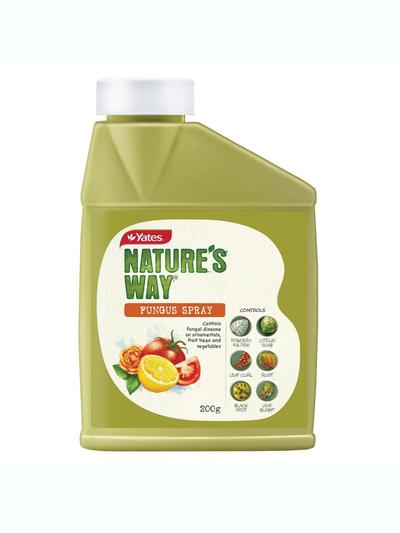
Wet conditions encourage fungal problems, so check plants for spots, mould, or mildew. Remove affected leaves promptly and improve airflow by thinning crowded plants to help them recover.
Skip Fertiliser at First
Flooded roots cannot absorb nutrients properly. Wait until you see new, healthy growth before fertilising and then feed lightly to support recovery.
Improve Drainage if Needed
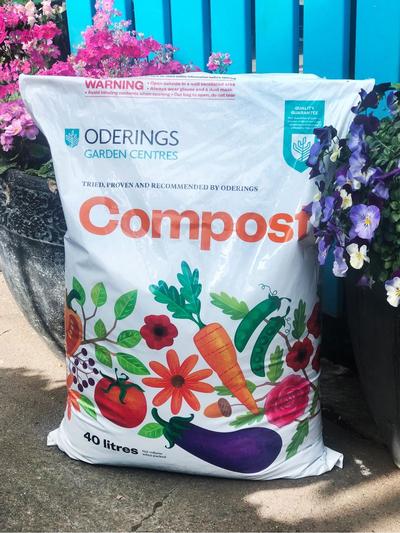
If flooding happens regularly, take steps once the soil has dried. Add compost to improve soil structure. Create shallow channels to move water away, or raise beds in problem areas to prevent future waterlogging.
Replant When Conditions Improve
Even if some plants don't make it through flooding, there's no need to loose heart. Once the soil has had time to recover, you can jump back in, refresh your garden, and choose a few more flood tolerant varieties for those damp spots. With a bit of patience and the right plants, your garden will be back to looking its best in no time.