

Citrus trees are a delightful addition to any garden, offering aesthetic appeal and edible rewards. The key to successful citrus growing lies in selecting the right varieties for your climate and available space.
Citrus Varieties and Growing Tips
Kumquats: Cold hardy, small trees with ornamental value. The tart fruit is ideal for marmalades. Ideal for containers or small garden spaces.
Lemons: Ornamental, with year-round fruiting in cooler climates.
Varieties:
- Meyer: Hardy, compact, round fruit, mild acidity.
- Yen Ben: Large, juicy, sharply acidic fruit.
- Lemonade: Lemon-mandarin cross with sweet, peelable fruit.
Limes: Require frost-free, hot climates.
Varieties:
- Tahiti/Bearss: Seedless, juicy fruit; ripens in winter.
- Kaffir: Aromatic leaves and rind, ideal for cooking.
Mandarins: Small trees, easy-to-peel fruit.
Varieties:
- Clementine: Hardy, juicy fruit; avoid cross-pollination.
- Encore: Late-bearing with long-lasting fruit.
- Satsuma: Compact, cold-hardy, seedless varieties like Silverhill and Miho.
Oranges: Decorative container plants with fragrant flowers.
Varieties:
- Navel Oranges (Washington and Navelina): Seedless, juicy fruit, ripens late winter to early spring.
- Harwood Late: New Zealand variety with high yields and excellent flavour.
Grapefruit: Plant in an area with maximum sun; not ideal for pots due to large size.
Varieties:
- Golden Special: Sweet, juicy, and seedless.
- Wheeny: Tart, pale fruit; biennial cropping.
- Cutler Red: Red-skinned, cold-tolerant fruit.
Tangelos: Compact trees with juicy, sweet fruit, ideal for juicing and desserts.
Growing Tips
Rootstock Matters: Dwarf varieties (1.5–2m tall) are perfect for containers, while standard varieties (up to 5m tall) require more space.
Climate Considerations: Hardy citrus (kumquats, Meyer lemons) suit cooler climates. Tender citrus (limes, some lemons) need frost-free zones.
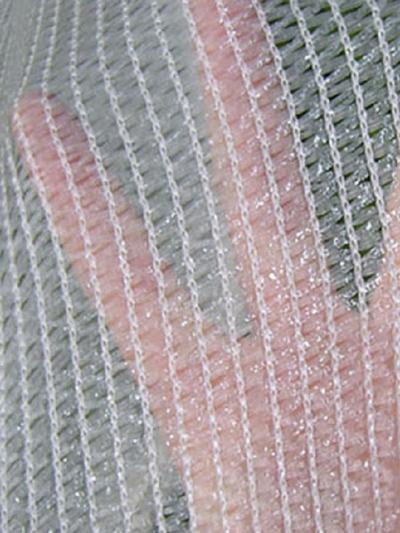
Frost Protection: Young trees are frost-sensitive. Use frost cloths or place containers in sheltered locations.
Sunlight Needs: Citrus thrives in full sun. Grapefruit, in particular, requires abundant sunlight for optimal fruiting.
Avoid Cross-Pollination: Plant citrus varieties separately to prevent seedier fruit.
With careful selection and care, citrus trees can transform your garden into a productive and fragrant haven. Whether you’re looking for tart lemons, sweet mandarins, or zesty limes, there’s a citrus variety to suit every gardener’s needs.